Loyalty Frameworks Linking Mobile Gamblers Across Table Games, Sports Markets, and Progressive Jackpots
Zara Franke · Aug 12, 2026
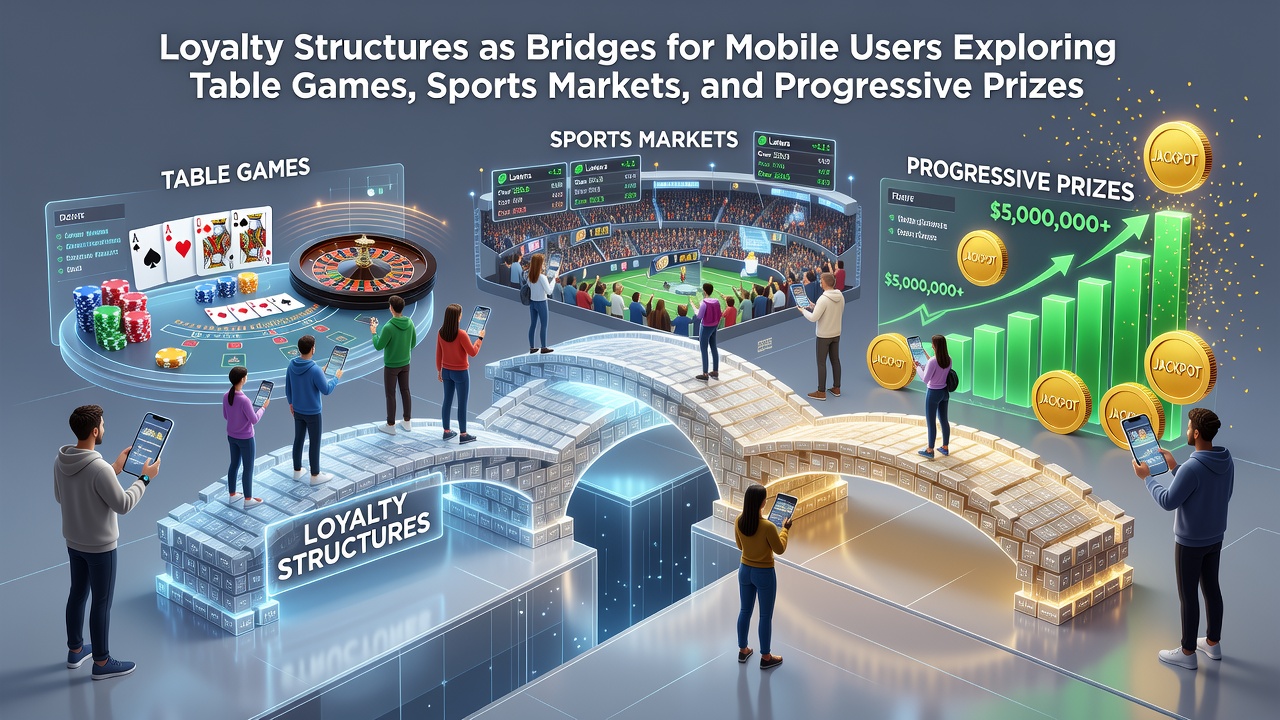
Loyalty Frameworks Linking Mobile Gamblers Across Table Games, Sports Markets, and Progressive Jackpots
Operators have developed loyalty frameworks that connect mobile users to table games, sports markets, and progressive prizes through tiered reward systems and cross-platform tracking. These structures record activity across different game types and allocate points that unlock benefits such as free spins, cashback, and exclusive tournament access. Data from industry reports indicate that mobile sessions now account for over 70 percent of total playtime in regulated markets, which has prompted platforms to integrate loyalty mechanics directly into smartphone applications.
Core Mechanics of Mobile Loyalty Tracking
Systems monitor wagers placed on blackjack, roulette, and poker variants alongside sports bets on football, tennis, and horse racing. Points accumulate in real time and feed into a central account that remains accessible whether a user switches from slots to live dealer tables or from in-play betting to progressive jackpot pools. Research from the University of Nevada Reno Gaming Innovation Center shows that integrated tracking increases session duration by an average of 18 percent compared with fragmented programs that separate game categories.
Connections to Table Games and Sports Markets
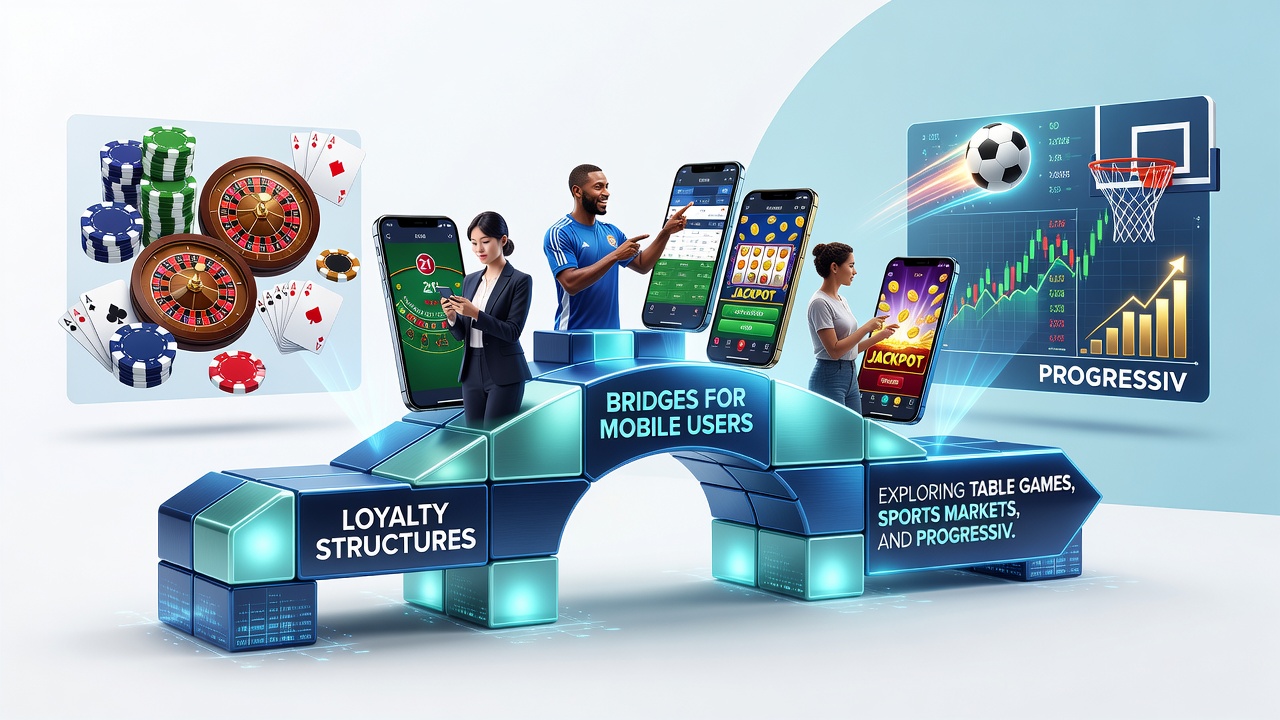
Mobile applications embed loyalty multipliers during peak hours for table game participation, which encourages users to explore digital versions of baccarat and craps after completing sports wagers. Points earned from a live football match bet can convert into entry credits for virtual poker tournaments, creating pathways between otherwise distinct verticals. Figures released by the American Gaming Association reveal that operators offering unified loyalty ledgers recorded a 24 percent rise in table game mobile volume during the first half of 2026.
Progressive Prize Integration
Progressive jackpot networks link contributions from slots, table games, and certain sports betting side games into shared prize pools that grow until triggered. Loyalty tiers determine eligibility for higher contribution rates or additional entries, and mobile notifications alert users when their accumulated points qualify them for enhanced jackpot participation. In August 2026 several major platforms adjusted their progressive structures to include sports market contributions, expanding the pool of eligible players who can trigger the top prize through combined activity.
Regional Regulatory Context and Data Trends
Authorities in multiple jurisdictions require transparent reporting of loyalty program mechanics to ensure fairness in point allocation and prize distribution. The Malta Gaming Authority published updated guidelines in mid-2026 that mandate clear disclosure of how mobile activity translates into tier advancement across game types. Similar requirements exist in Canadian provinces where operators must demonstrate that loyalty bridges do not disproportionately favor one vertical over others. Observers note that these rules have standardized how points convert when users move between table games, sports markets, and progressive prize events.
Case Examples from Operating Platforms
One European operator introduced a unified loyalty ledger in late 2025 that allowed mobile users to carry sports betting points directly into live roulette sessions, resulting in a measurable uptick in table game engagement within three months. Another platform in Australia linked progressive jackpot entries to cumulative sports market wagers, and internal metrics indicated that users who reached mid-tier status participated in jackpot pools at twice the rate of entry-level accounts. These examples illustrate how loyalty structures function as connectors rather than isolated reward silos.
Technical Implementation on Mobile Devices
Applications employ real-time synchronization so that points earned during a commute via sports betting appear instantly when the user opens a table game lobby later the same day. Push notifications highlight available bridges such as bonus rounds unlocked by recent activity or progressive prize pools that accept loyalty points as additional entries. Backend databases aggregate data across thousands of concurrent sessions, which enables operators to adjust multiplier rates based on aggregate mobile behavior patterns observed during specific time windows.
Conclusion
Loyalty frameworks continue to evolve as operators refine the pathways that link mobile table game play, sports market activity, and progressive prize participation. Tracking systems record cross-category engagement while regulatory updates ensure transparency in how points convert into benefits. Data from academic centers and industry associations document measurable increases in participation when unified ledgers replace separate reward tracks, and August 2026 adjustments expanded these connections in several markets. The structures remain central to how platforms organize mobile user journeys across the listed verticals.