Jackpot Bridges: How Mobile Interfaces Unite Slot Mechanics with Dealer Tables and Sports Markets via Tiered Incentives
Blake Russell · Jul 31, 2026

Jackpot Bridges: How Mobile Interfaces Unite Slot Mechanics with Dealer Tables and Sports Markets via Tiered Incentives
Mobile interfaces have transformed how operators connect slot mechanics with dealer tables and sports markets through structured incentive programs that reward cross-category participation; these systems track player activity across platforms and allocate tiered benefits based on cumulative engagement rather than isolated game types.
Integration of Core Mechanics
Slot mechanics often feature spinning reels, bonus rounds, and progressive accumulators that feed into shared jackpot pools, while dealer tables introduce real-time card handling and betting sequences that mirror traditional casino flow; sports markets add live odds updates and event-based wagers, yet mobile applications now merge these elements by using unified player accounts that carry progress across each category without requiring separate logins or resets.
Operators achieve this linkage through application programming interfaces that sync data in real time, allowing a spin outcome on slots to contribute points toward a live dealer tournament entry or a sports accumulator bonus; data from industry reports shows increased session continuity when such bridges exist, because players encounter fewer friction points during category switches.
Tiered Incentive Structures
Tiered incentives function as progressive loyalty ladders where base-level rewards include free spins or matched deposits on slots, mid-tier benefits unlock table game rakeback or enhanced odds on sports wagers, and top tiers grant access to exclusive dealer events alongside jackpot multipliers that apply across all verticals; these structures rely on algorithms that calculate lifetime value from combined play volume rather than single-game metrics.
One documented approach involves milestone tracking where reaching a specific points threshold automatically migrates unused slot bonuses into table credit or sports free bets; this mechanic encourages sustained movement between categories because the system preserves value instead of isolating it within one product line.
Mobile Interface Design Elements
Design patterns in current applications emphasize swipe navigation between lobby sections, persistent progress bars that display tier advancement regardless of the active game, and notification systems that alert users when an incentive earned in slots becomes redeemable at dealer tables or within sports markets; developers implement responsive layouts that adjust bet sizing and animation speeds to maintain performance across devices.
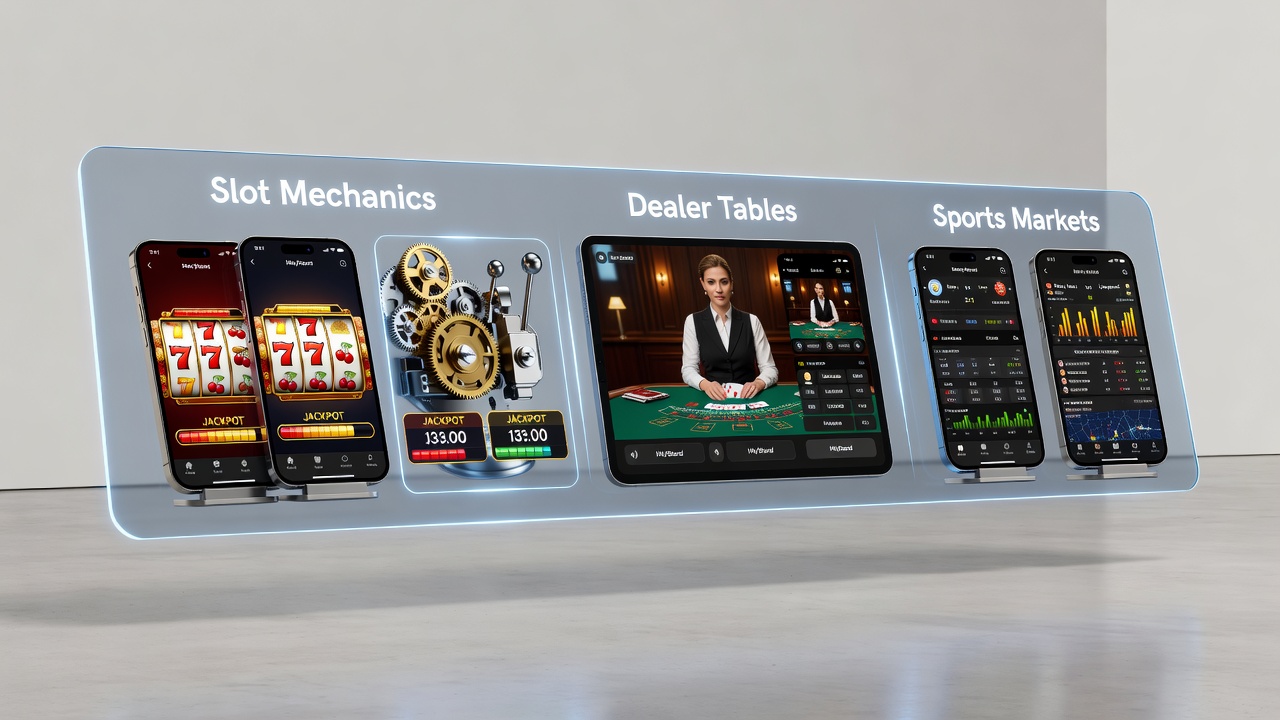
Observers note that color-coded indicators and collapsible menus help users visualize how activity in one area accelerates progress in others; for instance, a sports market parlay win might populate a visual meter that reduces the playthrough requirement on linked slot bonuses or dealer table promotions.
Developments Observed in July 2026
During July 2026 several platforms introduced updated synchronization protocols that reduced latency when transferring incentive balances between slots, tables, and sports sections; these changes coincided with broader adoption of standardized data exchange formats that allow third-party developers to create compatible widgets for tracking multi-category progress.
According to findings published by the University of Nevada, Las Vegas International Gaming Institute, cross-vertical incentive programs demonstrated measurable retention gains when mobile interfaces presented unified dashboards instead of segmented ones. A separate analysis from the European Gaming and Betting Association highlighted similar patterns in markets where operators combined live dealer streams with sports event overlays inside the same application window.
Operational Considerations
Regulatory frameworks in multiple jurisdictions require clear disclosure of how points convert across game types, and operators respond by embedding transparent calculators within the interface that show exact exchange rates before any transfer occurs; this approach satisfies compliance demands while preserving the motivational effect of tiered rewards.
Technical teams maintain separate risk engines for each vertical yet feed aggregated data into a central incentive engine that adjusts tier status dynamically; such architecture prevents exploitation while enabling the fluid movement between slots, dealer tables, and sports markets that defines modern mobile offerings.
Conclusion
The convergence of these elements creates environments where players experience continuous incentive flow across previously distinct categories; mobile interfaces serve as the connective layer that translates activity in one domain into advantages in others through precisely calibrated tier structures. Continued refinement of these bridges depends on ongoing technical standardization and clear communication of conversion mechanics to maintain both operational integrity and user engagement across the full spectrum of available products.